Sally Shore doesn’t call herself an artist. She calls herself a collector — of shells, of stories, of the silence between waves.
She’s been walking the beaches of Kauaʻi’s North Shore since before the resorts, before the helicopters, before the Instagram accounts that tag every secret beach. She knows which coves produce cowry and which produce cone. She knows the tides the way a musician knows scales — not by thinking, but by feel.
The Studio
The studio is a converted carport on the mauka side of Hanalei. No sign. No hours. Just a screen door and a long table covered in shells sorted by size, color, and something Sally calls “temperament.”
“Some shells want to be jewelry,” she says. “Some want to be left alone. You have to listen.”
The Method
Sally works exclusively with shells found on Kauaʻi beaches and acquired through traditional exchange networks that connect her to collectors on Niʻihau and the outer islands. She does not buy from commercial suppliers. She does not use dyed or treated shells.
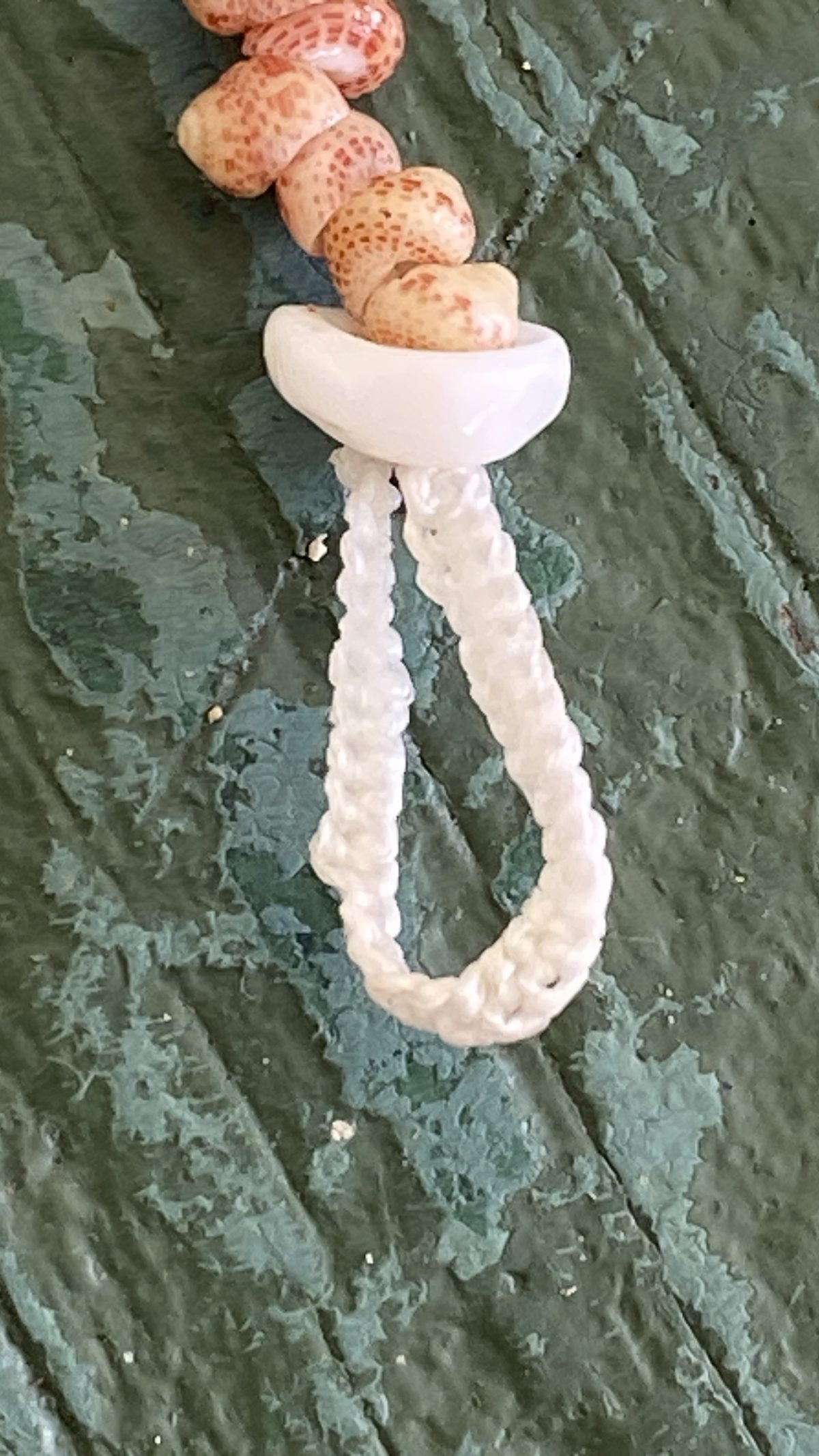
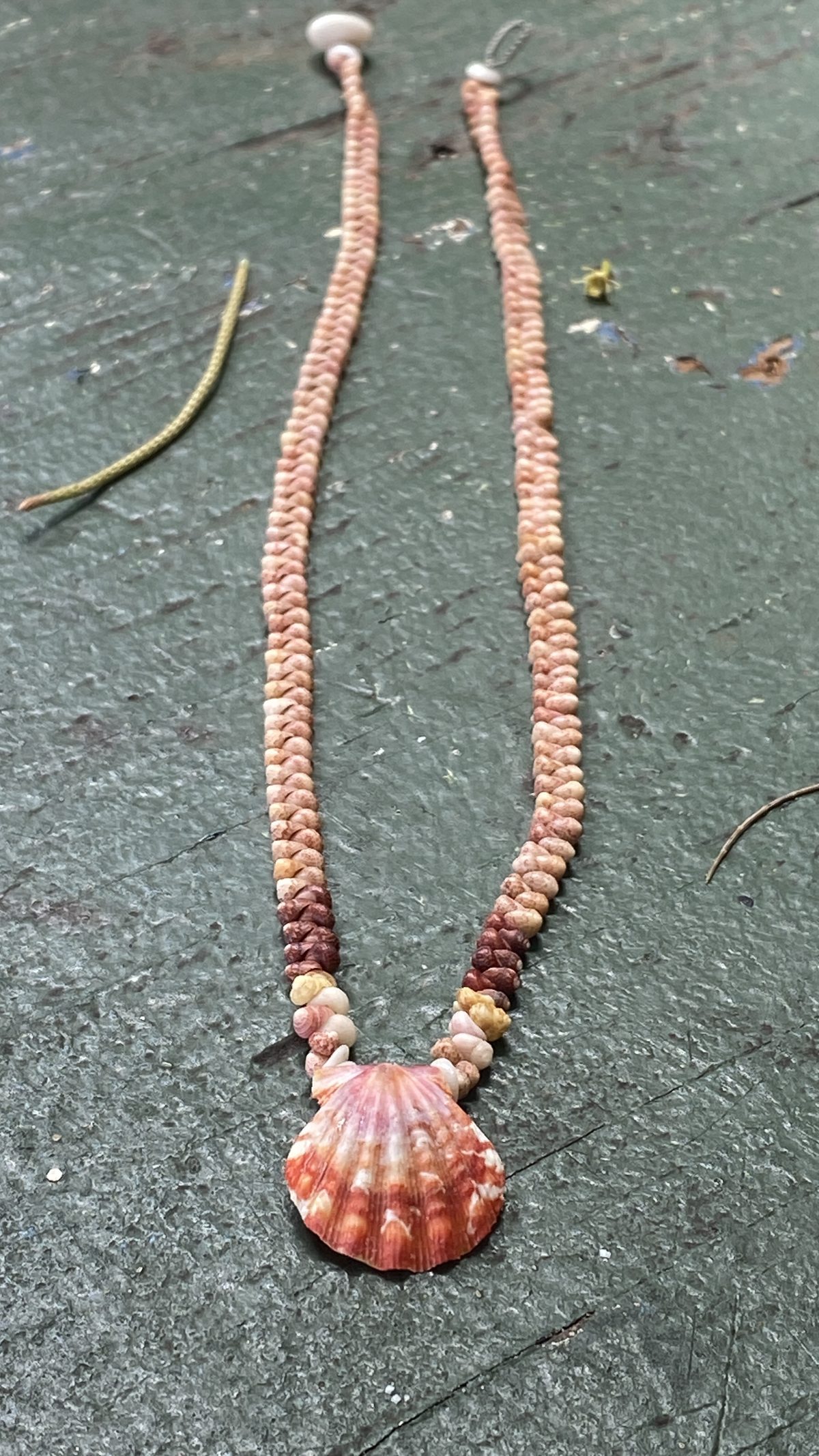
Every piece begins with sorting — weeks or months of sorting, depending on the material. The kahelelani work requires the most patience: each shell is smaller than a grain of rice, and only one in twenty meets her standard for color and structure.
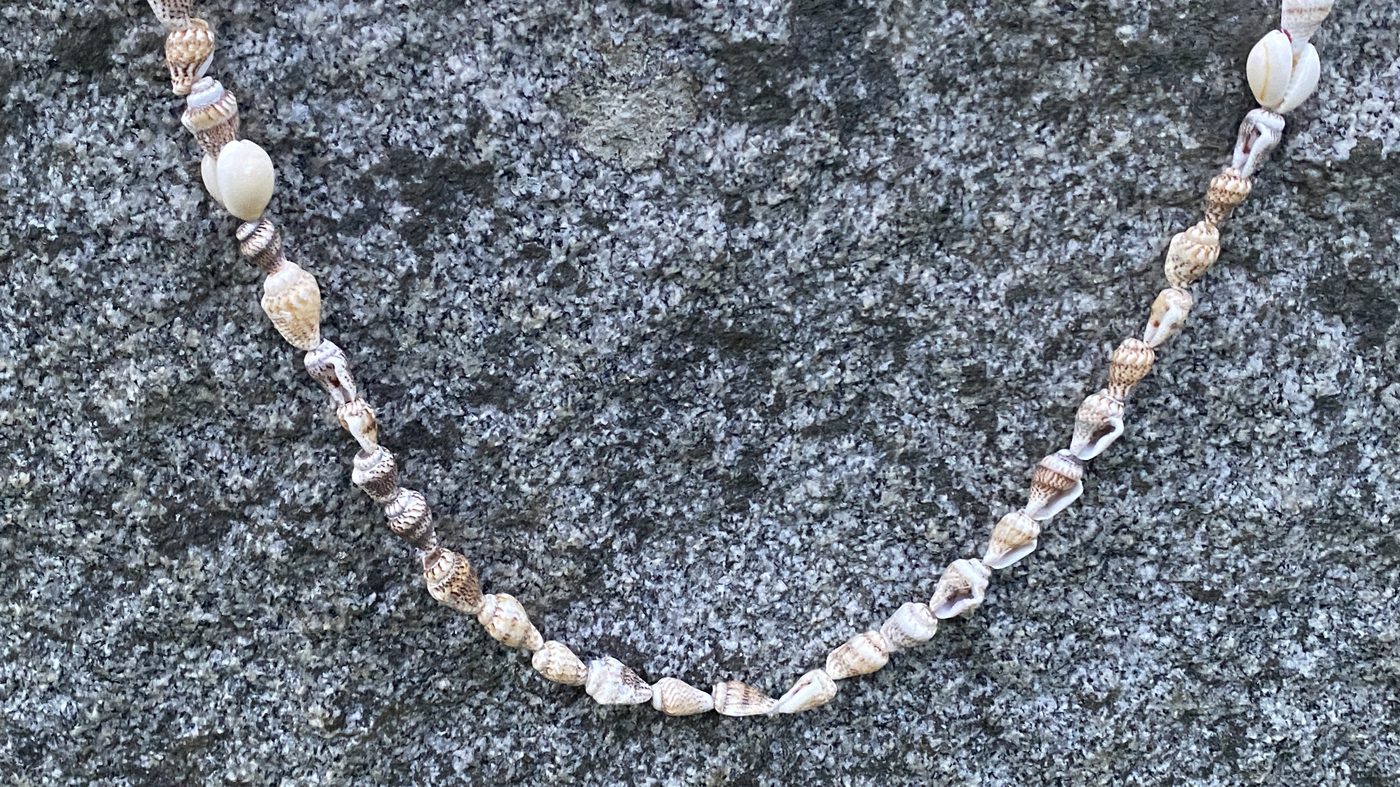
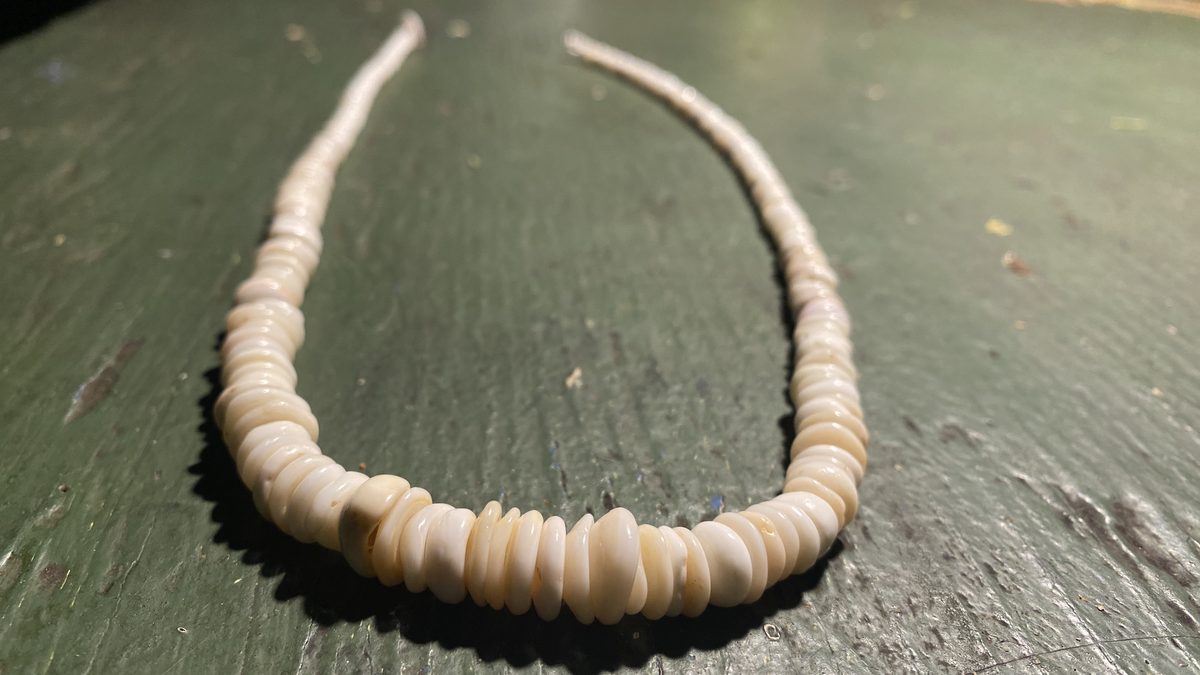
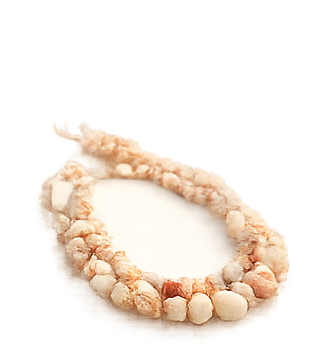
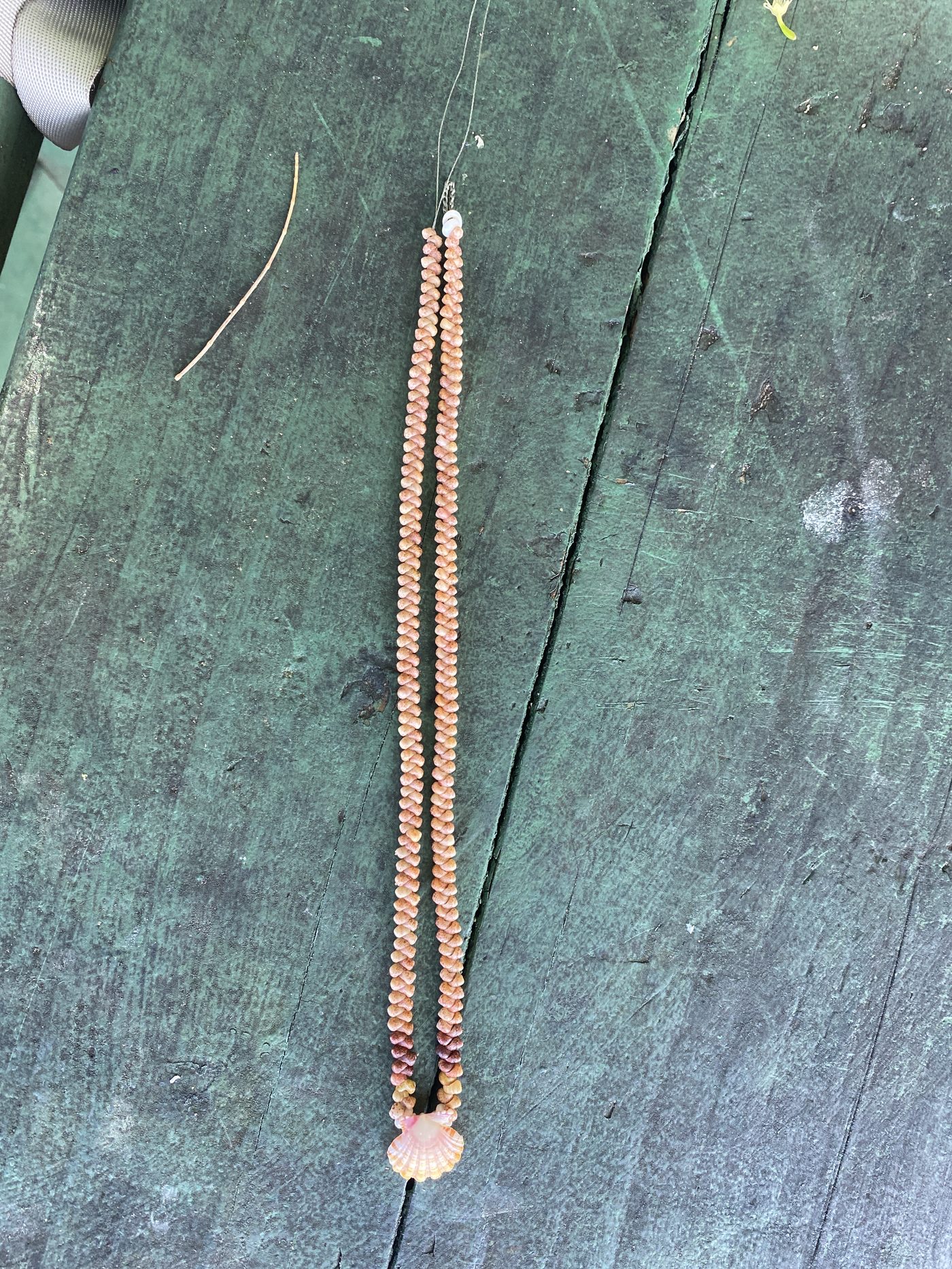
The stringing follows traditional Niʻihau patterns: herringbone, twisted rope, flat lei. But Sally’s work adds something modern — an awareness of how light moves through the shells at different times of day. She grades for “morning light” and “evening light” and will sometimes string a single piece using shells from both grades, creating a lei that changes color as the sun moves.
The Bank
The name “Bank of Sally Shore” started as a joke — a reference to the old Hawaiian practice of treating rare shells as currency. But over the years, as Sally’s collection grew and her vault deepened, the name stuck.
“A bank holds things of value,” she says. “But the value isn’t what you think. It’s not about money. It’s about time. Every shell in the vault represents time — the ocean’s time, the collector’s time, the time it takes to notice something beautiful and not walk past it.”
The journal — this journal — is an extension of that vault. A quarterly record of what the tideline gives and what we choose to keep.