There’s a beach on the North Shore that doesn’t appear on any map.
The locals know it exists, the way you know a dream exists — by the feeling it leaves behind, not by the coordinates. You can’t get there by road. You can’t get there by trail. You get there by tide, and only on the nights when the moon is low enough to light the reef but not bright enough to cast a shadow.
The Finding
I found it the way most people find important things: by accident, while looking for something else entirely.
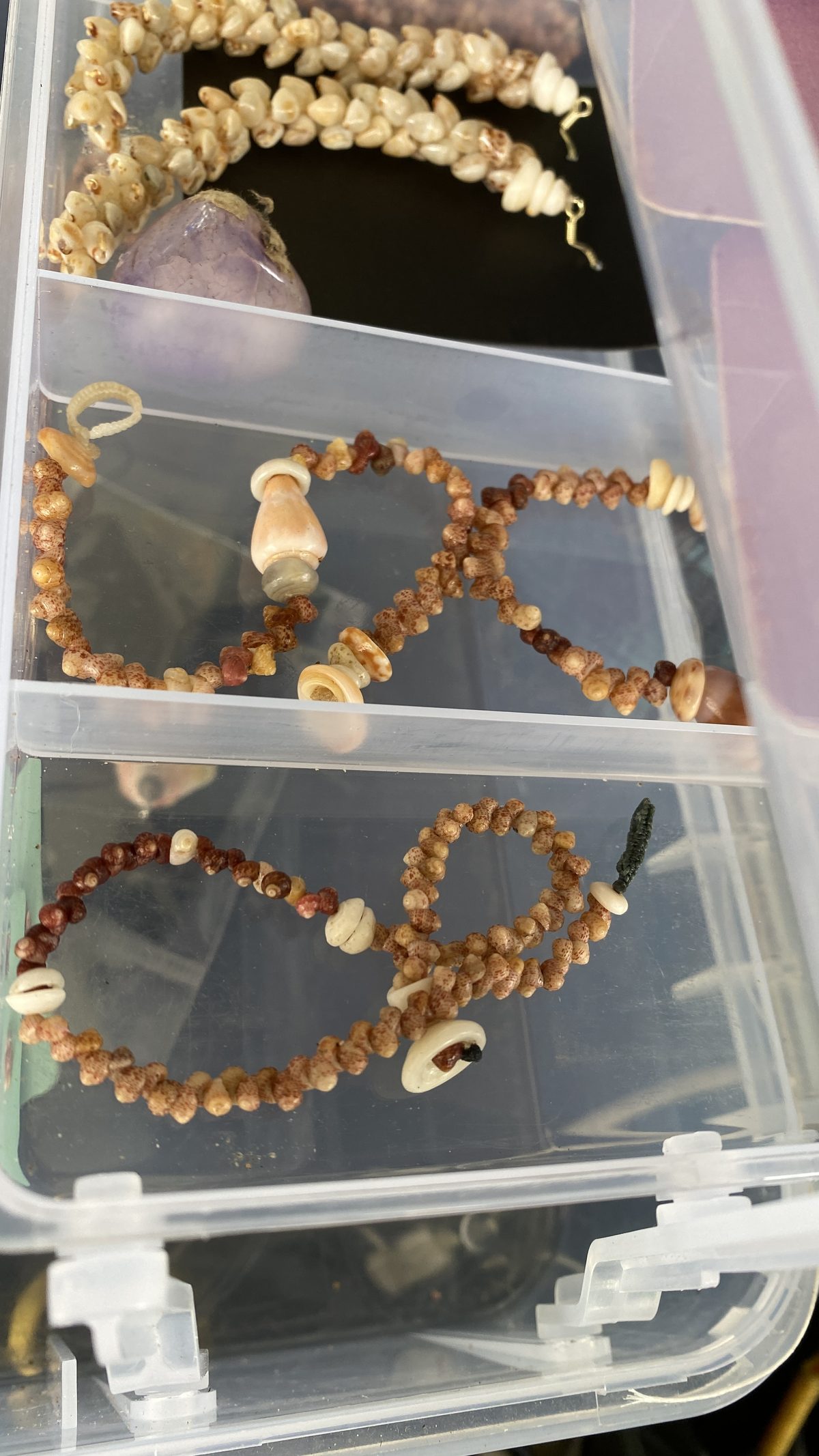
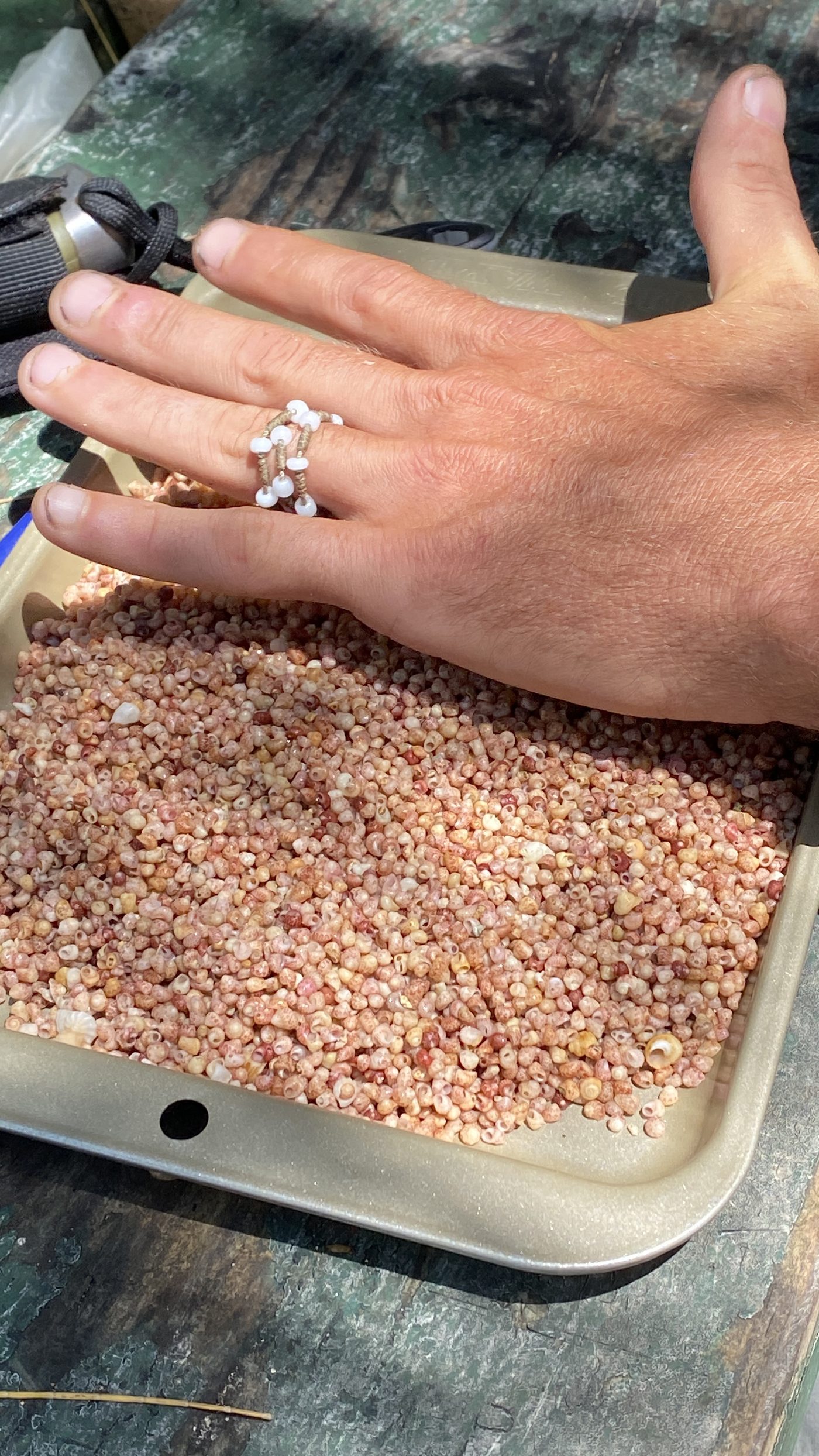
I was walking the point at Kē’ē after a winter swell — the kind of swell that rearranges the sand and deposits things from the deep shelf that haven’t seen air in decades. I was looking for kahelelani. What I found was a gap in the rock that I’d never noticed before, and behind it, a cove no wider than a living room.
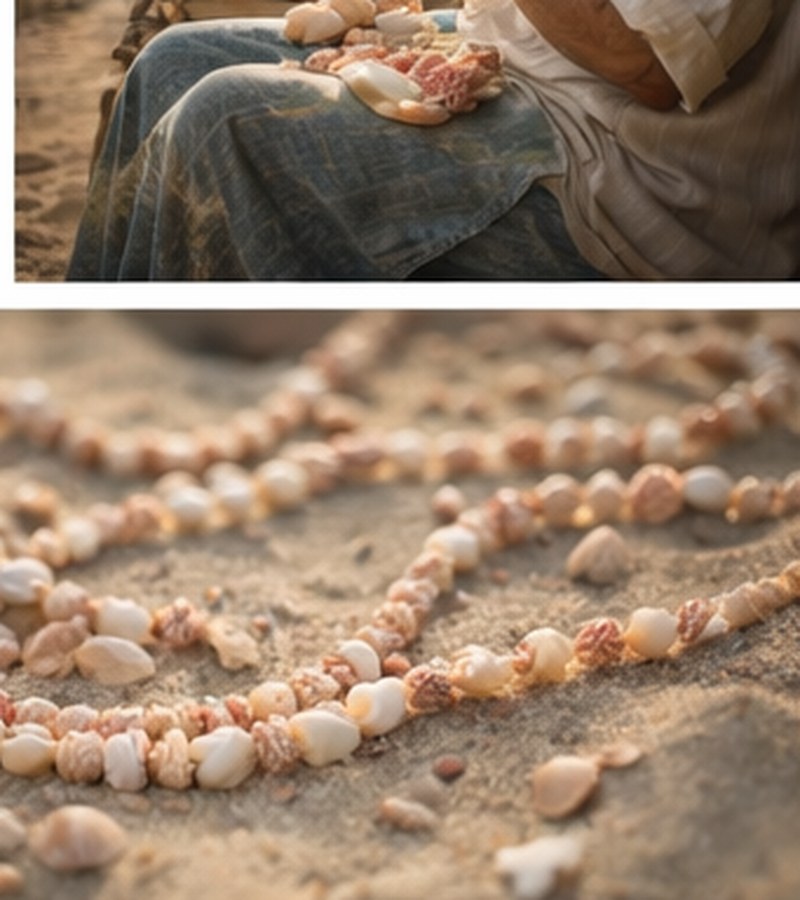
The sand was white. Not tourist-brochure white — bone white. The kind of white that comes from ten thousand years of shells grinding themselves into dust.
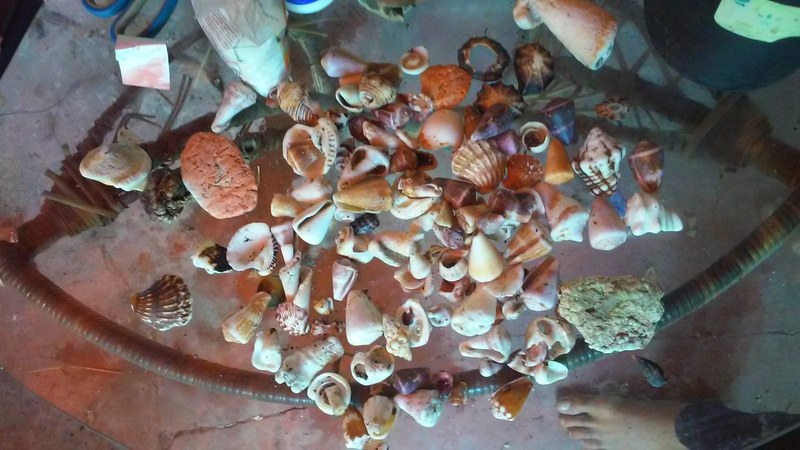
And on that dust, arranged in a line so precise it could not have been natural, were seven cowry shells.
The Silence
That’s the other thing about the cove. It’s silent.
Not quiet. Not peaceful. Silent. The ocean was fifty feet away, breaking on the reef with enough force to shake your teeth, and inside the cove there was nothing. No sound. No wind. No birdsong.
Just the shells, and the white sand, and whatever it was that had placed them there.
I took nothing. I left nothing. I don’t know if the cove is still there. The tide gives and the tide takes, and I have learned not to argue with either.
But I think about those seven cowry shells every day. I think about the line they made. I think about who — or what — drew it.
Every shell is a vault. Every tideline is a bank. What you find there has already been paid for — by the ocean, by time, by forgetting.
More from the Archive
Explore the full collection of stories, spreads, and lore fragments.
Browse Stories